






Autism spectrum disorder often presents challenges in social interactions. Many individuals with autism struggle with social skills. This can impact their ability to communicate and form relationships. If you are searching more about the term “aba therapy dallas texas”, you can know that ABA therapy is a proven method to enhance these skills. It focuses on reinforcing positive behaviors and reducing negative ones.
Social skills training is crucial for those on the autism spectrum. It helps them navigate social situations and build meaningful connections. Techniques like role-playing and peer interactions are often used.
In Dallas, Texas, numerous centers offer specialized ABA therapy. These centers provide essential support for social skills development. Early intervention can lead to significant improvements.
Parents, caregivers, and educators play a vital role. Their involvement is key to the success of social skills training. Consistent practice and reinforcement at home are essential.
Understanding Social Skills Challenges In Autism

Individuals with autism often experience a lack of social skills. This can make daily interactions more difficult. Social challenges include difficulty interpreting body language and facial expressions.
Navigating social cues can be overwhelming for those on the spectrum. They may struggle with understanding tone and context. Such challenges affect communication and relationship-building.
Social skills deficits can lead to feelings of isolation. Without intervention, individuals might miss social opportunities. It’s crucial to recognize these challenges early on.
Key areas where social skills can be impacted include:
- Conversation initiation and maintenance
- Understanding and responding to social cues
- Developing friendships and peer connections
By understanding these social challenges, better strategies can be developed. Early recognition and targeted interventions are vital. This understanding paves the way for supportive therapies like ABA.
The Importance Of Social Skills Training For Autism
Social skills training plays a vital role for individuals with autism. It helps them navigate interactions with others. Improving social skills is crucial for building relationships and achieving social integration.
People with autism often struggle with understanding social cues. This can lead to feelings of isolation or frustration. Training focuses on bridging these gaps and enhancing social understanding.
Key benefits of social skills training include:
- Greater independence in daily life
- Improved communication and interaction abilities
- Enhanced emotional regulation and empathy
Effective social skills training contributes significantly to quality of life. It can lead to better academic and employment outcomes. Moreover, it reduces anxiety and boosts self-confidence in social settings.
How ABA Therapy Supports Social Skills Development
ABA therapy, or Applied Behavior Analysis, provides structured support for social skills development. Its customizable approach addresses individual needs. ABA therapy focuses on reinforcing positive behavior patterns.
Through consistent practice, individuals with autism develop better communication skills. These skills are essential for effective social interaction. ABA therapy enhances the ability to understand and respond to social cues.
Several techniques in ABA therapy target specific social challenges. These include breaking down complex social situations into smaller steps. This approach makes learning manageable and less daunting.
Key techniques in ABA therapy include:
- Positive reinforcement to encourage desired behaviors
- Structured learning through step-by-step instructions
- Regular monitoring and adjustments to meet therapy goals
The flexibility of ABA allows it to be integrated into various environments. Schools, homes, and community settings all offer opportunities for practice. The ultimate aim is to generalize skills across different contexts. This comprehensive approach helps individuals with autism lead more socially fulfilling lives.
Key Techniques In Social Skills Therapy
For searchers searching “ABA therapy Dallas Texas” Social skills therapy employs varied techniques to enhance interaction. Each method is tailored to specific challenges faced by individuals with autism. This customization ensures effectiveness and engagement.
Role-playing and behavioral rehearsal are foundational techniques. These methods allow individuals to practice real-world scenarios. By acting out interactions, they build confidence in social settings.
Social stories and visual supports are also vital. They provide visual cues that aid in understanding social situations. These tools simplify complex social norms and expectations.
Key benefits of social stories and visual aids:
- Clearly convey social expectations
- Support visual learners
- Reduce anxiety in unfamiliar situations
Peer interaction and group activities offer another dimension. These settings encourage social engagement with peers. Participants learn from observing and interacting with others.
Key activities in group settings:
- Cooperative games
- Group discussions
- Shared problem-solving tasks
These methods reinforce social skills consistently. They ensure individuals are well-prepared for varied social encounters.
Role-Playing And Behavioral Rehearsal
Role-playing is a practical approach that simulates real-life interactions. It allows individuals to practice social scenarios safely. Through these simulations, they gain insight into appropriate responses and actions.
Behavioral rehearsal involves repeating these scenarios multiple times. This repetition helps reinforce the desired behaviors. Over time, individuals become more adept at managing social situations.
Both techniques foster confidence and reduce anxiety. They provide a safe environment to make mistakes and learn from them. This practice is crucial for building competency in social interactions.
Social Stories And Visual Supports
Social stories serve as powerful tools for social learning. They illustrate social cues and expectations through simplified narratives. This approach caters to visual learners and those who struggle with abstract concepts.
Visual supports complement these stories, providing clear guidance. Common visual aids include:
- Picture schedules
- Flowcharts for decision-making
- Illustrated social guidelines
These aids make abstract social concepts more tangible. By breaking down situations visually, individuals understand them better. This understanding enhances their ability to navigate social contexts effectively.
Peer Interaction And Group Activities
Group activities nurture social skills by providing real interaction opportunities. In these settings, individuals engage with peers, fostering social growth. They learn vital skills such as turn-taking and active listening.
Key elements of group activities include:
- Encouraging cooperative behavior
- Facilitating peer mentorship
- Promoting shared experiences and learning
Peer interaction offers unique learning experiences. Watching and emulating peers enables understanding social dynamics. These opportunities teach crucial skills necessary for building relationships.
Overall, these methods ensure comprehensive social skills development. They equip individuals with the tools to manage various social situations.
Individualized And Group-Based Social Skills Training
Social skills training can be tailored to the needs of the individual or delivered in groups. Individualized training allows for personalized focus. This approach targets specific skills and challenges faced by the person.
Group-based training, on the other hand, benefits from peer interaction. It encourages learning through social engagement. Participants can observe and mimic peers, gaining insights into social norms.
Benefits of individualized and group-based training:
- Personalized attention and feedback
- Opportunities for social practice and interaction
- Adaptability to different learning styles
Both individualized and group settings have their merits. They offer complementary environments for skill development. Tailoring the approach ensures effectiveness and addresses diverse needs.
The Role Of Parents, Caregivers And Educators
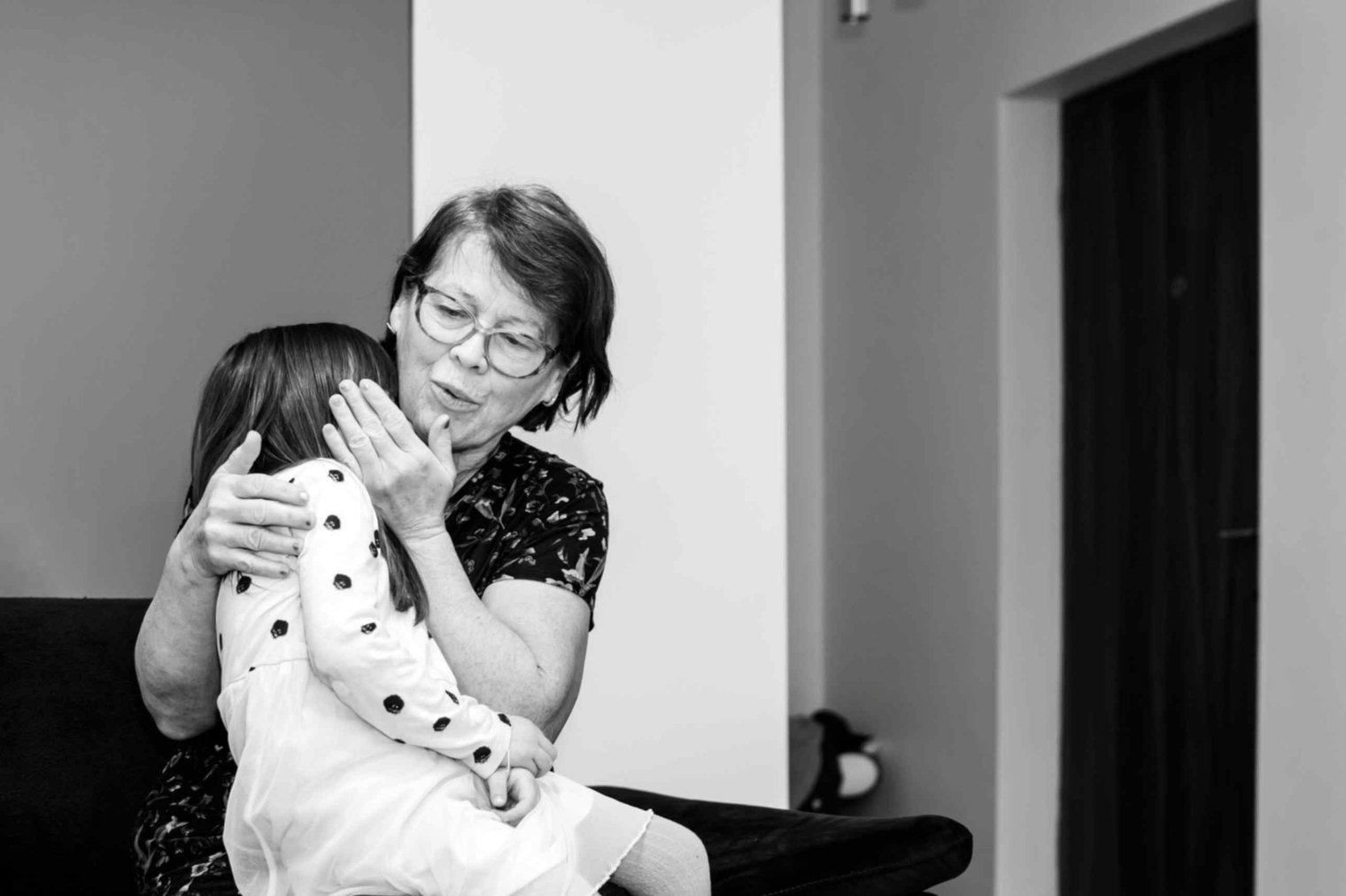
Parents, caregivers, and educators are essential in social skills training. Their consistent support reinforces learned behaviors. They create opportunities for practice in everyday settings.
Collaboration among these parties ensures a holistic approach. It bridges gaps between therapy sessions and real-life application. Their involvement in therapy sessions enhances understanding of techniques.
Ways parents, caregivers, and educators contribute:
- Providing consistent practice at home and school
- Encouraging social interaction opportunities
- Applying and reinforcing learned strategies across settings
By working together, they bolster the effectiveness of social skills interventions. Their engagement leads to more meaningful progress for individuals with autism.
ABA Therapy In Dallas, Texas: Local Resources And Support
Dallas, Texas offers various ABA therapy resources. These centers focus on enhancing social skills for individuals with autism. Trained professionals provide tailored interventions.
Local options make accessing ABA therapy convenient. Parents and caregivers find support through community-based programs. They offer valuable guidance and opportunities for growth.
Available resources in Dallas include:
- Specialized autism treatment centers
- Support groups for families
- Collaborative programs with schools
These resources help individuals with autism navigate social challenges. They provide a foundation for developing meaningful relationships.
Measuring Progress And Ensuring Generalization
Measuring progress in ABA therapy is crucial. Regular assessments track social skills improvement. This helps tailor interventions to individual needs.
Generalization is the ability to apply learned skills across various settings. It’s a vital component of successful social skills training. Ensuring generalization means practicing skills in different situations.
Key strategies for measuring and ensuring generalization include:
- Routine progress evaluations
- Incorporating varied social scenarios
- Consistent practice across environments
Effective evaluation and generalization enhance long-term success in social interactions. They support individuals in building adaptable, lasting skills.
Overcoming Barriers And Enhancing Motivation
Individuals with autism often face barriers in social skills development. Identifying these challenges is the first step in overcoming them. Motivation plays a crucial role in promoting engagement and success.
To enhance motivation, it is essential to incorporate individual interests and strengths. Tailoring strategies to the unique needs of each person can stimulate enthusiasm and participation. Consider using the following techniques:
- Set achievable goals
- Use positive reinforcement
- Incorporate interests in sessions
These approaches can minimize obstacles, foster motivation, and enhance skill development.
Building A Brighter Social Future
Take the first step toward a brighter future for your child. At Dallas ABA Center, we believe in a family-first approach, bringing expert, in-home ABA therapy directly to you. Our dedicated team partners with you to create a personalized plan, empowering your child with the skills they need to thrive.
Don’t wait to start this life-changing journey—contact us at (214)-838-7938 today to schedule your consultation or book your appointment online and see the difference a compassionate, collaborative approach can make.