





Children with Autism Spectrum Disorder (ASD) benefit from activities that are structured, engaging, and adaptable to their unique learning styles. The right activities can help support communication, social skills, sensory regulation, motor development, and emotional growth—while also being fun and meaningful.
There is no single “best” activity for autistic children because every child has different strengths, preferences, and sensory needs. However, well-designed activities can support development in a natural and enjoyable way, especially when they are consistent and tailored to the child.
This guide explores a variety of activities that can help autistic children learn, play, and thrive at home, in school, and in the community.
Why Activities Matter for Children with Autism
Activities are more than just play—they are opportunities for learning and development. For children with autism, structured activities can help:
- Improve communication and language skills
- Strengthen social interaction abilities
- Support emotional regulation
- Develop fine and gross motor skills
- Increase focus and attention span
- Encourage independence and confidence
When activities are predictable and adapted to the child’s needs, they can reduce anxiety and increase engagement.
Sensory Activities
Many autistic children experience differences in sensory processing. Sensory activities help them regulate their responses to sound, touch, movement, and visual input.
Examples include:
- Sensory bins (rice, sand, beans, water beads)
- Playdough or clay shaping
- Swinging or gentle rocking
- Trampoline jumping
- Water play (baths, cups, pouring games)
- Textured toys and materials
These activities can be calming, organizing, or stimulating depending on the child’s needs.
Communication-Building Activities
Supporting communication is a key part of development for many autistic children, whether they are verbal or nonverbal.
Helpful activities include:
- Picture exchange communication systems (PECS)
- Simple turn-taking games
- Naming objects during play
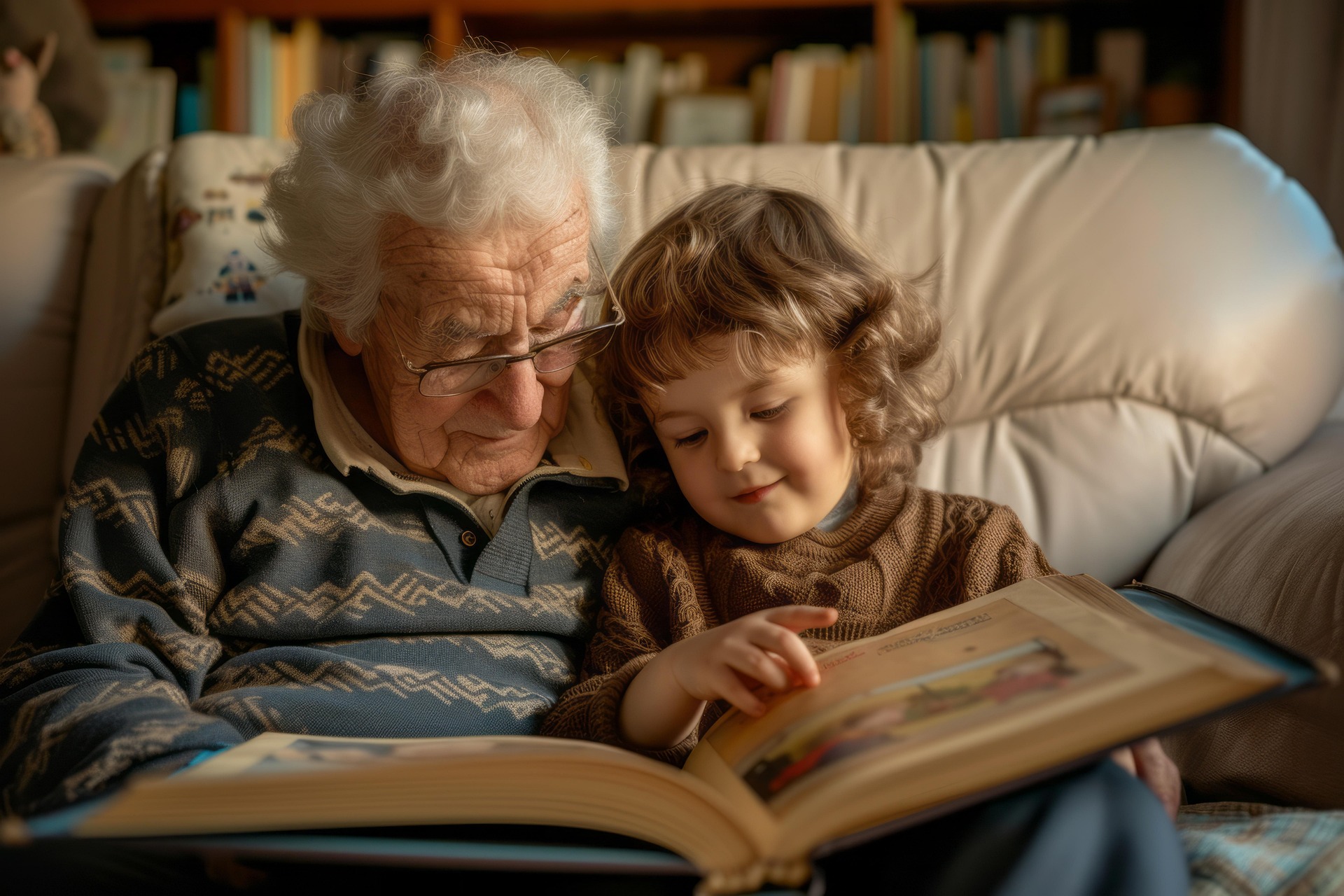
- Reading picture books together
- Using gestures or communication devices
- “Request” games (asking for toys or snacks)
These activities help children express needs and interact with others more effectively.
Social Skills Activities
Social interaction can be challenging for some autistic children, so structured practice is often helpful.
Examples include:
- Turn-taking board games
- Parallel play activities with peers
- Role-playing everyday situations
- Group storytelling
- Cooperative building activities (blocks or LEGO)
- Emotion identification games
These activities help children understand social cues and build peer relationships.
Motor Skill Activities
Developing fine and gross motor skills supports independence in daily life.
Fine motor activities:
- Bead threading
- Drawing and coloring
- Cutting with scissors
- Puzzles
- Writing or tracing letters
Gross motor activities:
- Running and jumping games
- Obstacle courses
- Ball throwing and catching
- Dancing or movement games
- Climbing playground equipment
These activities support coordination, strength, and body awareness.
Play-Based Learning Activities
Play is one of the most powerful ways children learn. For autistic children, structured play can help build imagination and flexibility.
Examples include:
- Pretend play (kitchen sets, doctor kits)
- Building with blocks or LEGO
- Toy sorting and matching games
- Simple board games
- Interactive storytelling
Play-based learning can also support communication and emotional understanding.
Calming and Emotional Regulation Activities
Some children may need help managing emotions or sensory overload. Calming activities can support relaxation and self-regulation.
Examples include:
- Deep breathing exercises
- Listening to calming music
- Reading quiet storybooks
- Using weighted blankets (if appropriate)
- Soft lighting and quiet spaces
- Yoga or stretching for kids
These activities help children learn how to calm their bodies and minds.
Outdoor Activities
Outdoor play provides natural sensory input and encourages movement and exploration.
Examples include:
- Playground activities (swings, slides, climbing)
- Nature walks
- Biking or scooter riding
- Water play outdoors
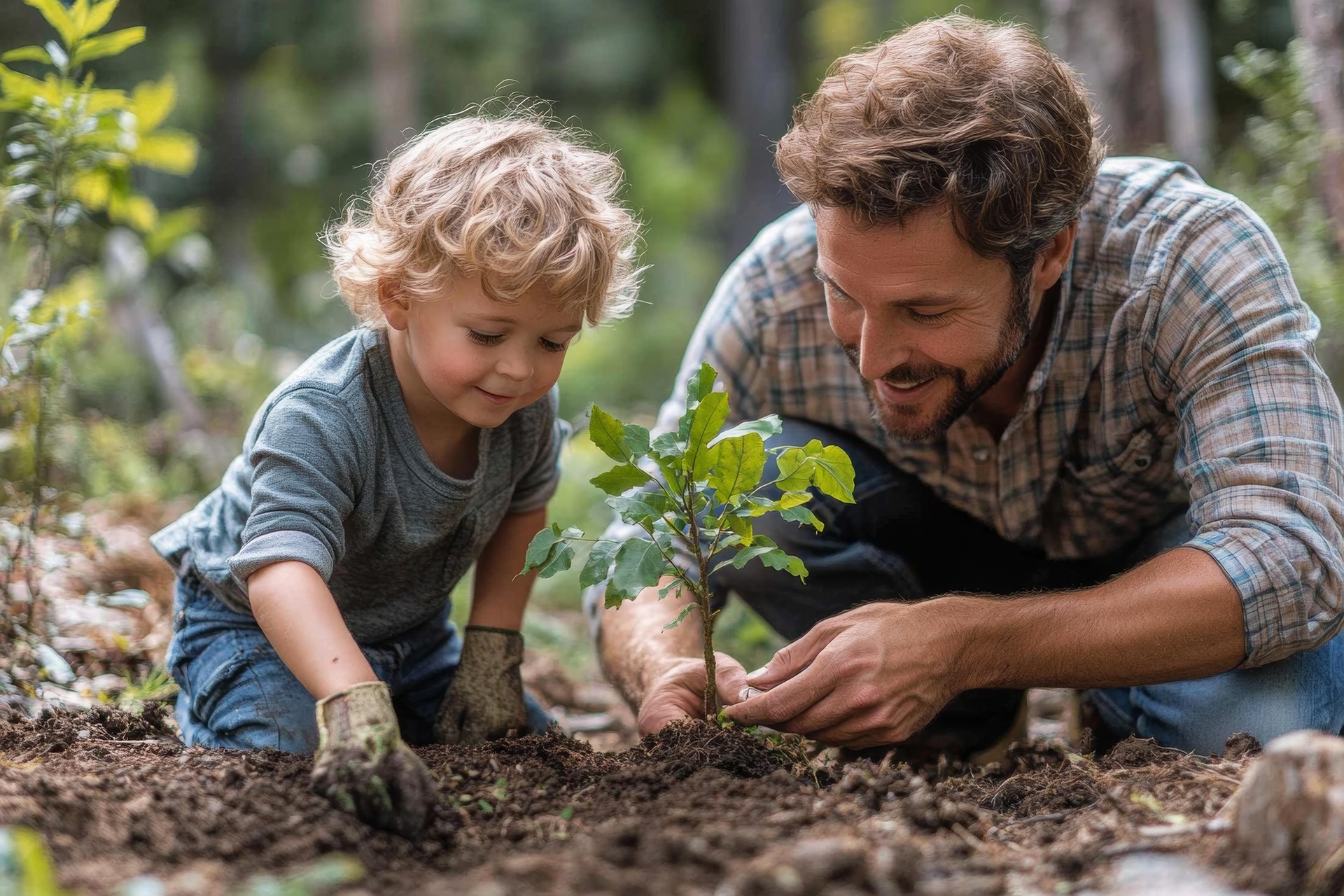
- Gardening or planting seeds
- Scavenger hunts
Outdoor activities often support both physical and emotional well-being.
Structured Routine-Based Activities
Many autistic children thrive on structure and predictability. Routine-based activities help create stability.
Examples include:
- Visual schedules for daily tasks
- Step-by-step cooking or snack preparation
- Cleaning up toys with guidance
- Morning and bedtime routines practice
- Sorting laundry or household items
These activities support independence and life skills development.
Technology-Based Activities (When Used in Balance)
Technology can be a helpful learning tool when used intentionally and in moderation.
Examples include:
- Educational apps for communication or learning
- Interactive story apps
- Speech-generating devices
- Matching or sorting games
- Music or rhythm apps
Technology should ideally complement—not replace—hands-on interaction.
Tips for Choosing the Right Activities
When selecting activities for autistic children, consider:
- The child’s sensory preferences
- Attention span and energy levels
- Communication abilities
- Interests and motivations
- Need for structure vs. flexibility
Activities work best when they are enjoyable, predictable, and adapted to the child’s needs.
How Parents and Caregivers Can Support Engagement
Parents play a key role in helping children benefit from activities.
Helpful strategies include:
- Using simple instructions
- Modeling the activity first
- Offering choices when possible
- Reinforcing positive participation
- Keeping sessions short and engaging
- Maintaining consistent routines
Consistency helps children feel safe and more willing to participate.
Final Thoughts
Activities for autistic children are most effective when they are engaging, structured, and tailored to individual needs. Whether focused on sensory play, communication, social skills, or motor development, these activities can support meaningful growth while keeping learning enjoyable.
By combining play, routine, and personalized support, caregivers can help children with autism build essential life skills, confidence, and independence in a natural and supportive way.