






In-home ABA therapy helps families support children with autism by bringing proven interventions directly into their homes. For parents living in cities of Bartonville, Watauga, Duncanville, Justin and Flower Mound, overwhelmed by appointments, commutes and waiting lists, at home therapy offers flexibility, consistency and deeply personalized care.
This guide explains everything you need to know about in-home ABA therapy. You can use this resource to understand and share the value of ABA therapy at home.
What Is ABA Therapy?
Applied Behavior Analysis (ABA) is a evidence-based backed approach to understanding and improving behaviors. ABA is the gold standard for autism therapy and has decades of research supporting its effectiveness.
In ABA, therapists analyze behavior in terms of:
- Antecedents (what happens before a behavior),
- Behaviors (the observable actions),
- Consequences (what happens after the behavior).
The goal is to teach socially significant skills and reduce behaviors that interfere with learning or quality of life.
Key Benefits Of In-Home ABA Therapy
1. Individualized Attention In A Familiar Environment
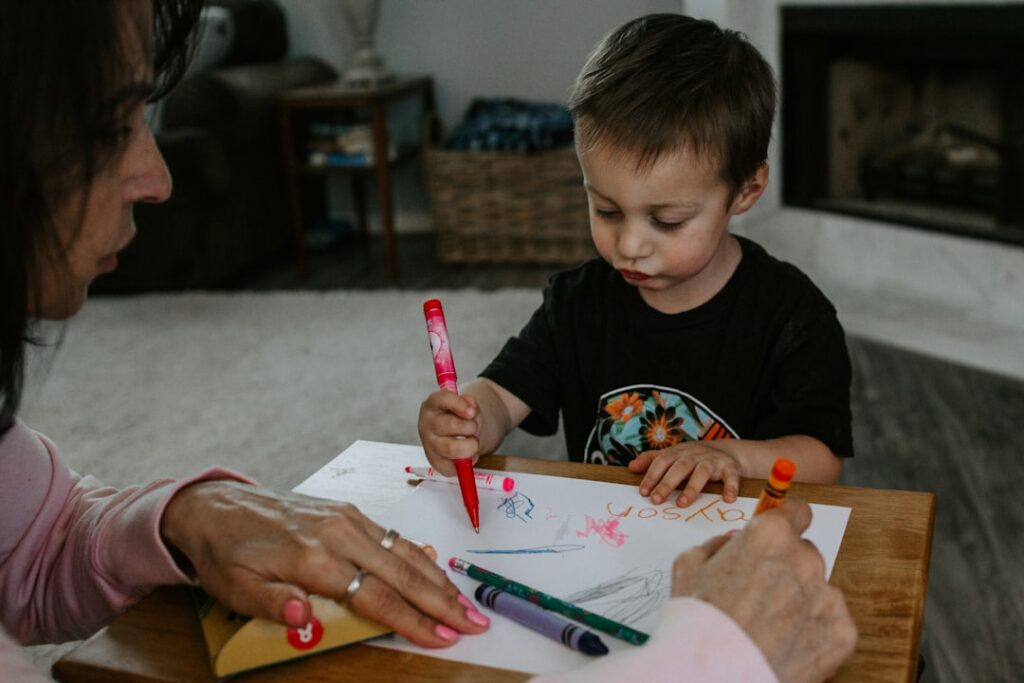
Children are often more comfortable and responsive when they’re in their own space. In-home therapy reduces sensory overstimulation and anxiety often triggered in unfamiliar clinics.
2. Stronger Parent And Caregiver Involvement
Parents are not just observers—they’re trained partners. Therapists teach strategies you can use throughout the day, creating consistency that’s crucial for progress.
3. Naturalistic Learning
Many important behaviors happen at home—during playtime, meals, daily routines, and transitions. In-home ABA therapy uses Natural Environment Teaching (NET) to target these moments for skill development. NET allows children to learn and practice behaviors in the exact settings where they naturally occur.
This real-world learning makes it easier for children to understand the purpose of each skill. As a result, they’re more likely to generalize these skills across different people, places, and situations.
4. Convenience And Consistency
In-home ABA therapy removes the need for commuting, saving families valuable time and reducing stress. There’s no sitting in traffic or rushing to appointments. This flexibility makes it easier to stick to a regular therapy schedule. Fewer missed sessions mean more consistency in your child’s progress. Children benefit from steady routines, which help reinforce learning and behavior changes.
Parents also find it easier to stay engaged when therapy happens at home. Overall, in-home ABA therapy supports faster and more reliable results through consistent, uninterrupted care.
Is In-Home ABA Therapy Right For Your Child?
In-home therapy is ideal for:
- Children ages 2–10 who benefit from routines and familiar surroundings.
- Families who cannot travel frequently.
- Children with behaviors that mainly occur at home.
- Families looking for deeper involvement in therapy.
It’s especially effective during early intervention years (ages 2–6), when neuroplasticity is strongest and habits form quickly.
What Happens During a Typical In-Home ABA Session?
While every session is tailored, a typical visit may include:
- Warm-up & rapport building (5–10 min)
- Skill-building activities (e.g., communication, play, academics)
- Behavior reduction plans (e.g., tantrums, aggression, non-compliance)
- Parent training & Q&A
- Progress data collection
Therapists often use play-based learning, visual supports, and positive reinforcement to keep sessions engaging and productive.
How To Get Started With In-Home ABA Therapy
Step 1: Get An Autism Diagnosis
Insurance typically covers ABA therapy only when a child has a formal autism diagnosis. This diagnosis must come from a licensed professional such as a psychologist, neurologist, or developmental pediatrician. These specialists conduct thorough evaluations to determine if the child meets the criteria for autism spectrum disorder.
Without this official diagnosis, insurance companies often deny coverage for ABA services. Families should work with their healthcare providers to obtain the necessary documentation. Having the correct diagnosis is an important first step in accessing ABA therapy through insurance.
Step 2: Choose A Trusted ABA Provider
Look for an ABA provider who meets key quality standards to ensure the best care for your child. Make sure the provider has Board Certified Behavior Analysts (BCBAs) on staff to oversee and design your child’s treatment plan. BCBAs bring clinical expertise and ensure that programs follow evidence-based practices. Choose a provider that offers parent training so you can actively support your child’s progress outside of sessions.
It’s also important to find a team that customizes programs based on your child’s unique needs and goals, rather than using a one-size-fits-all approach. Make sure they are credentialed with your insurance to help reduce out-of-pocket costs. Taking the time to evaluate these factors can lead to better outcomes and a more positive experience for your family.
Step 3: Insurance Authorization
Your provider will handle the paperwork, but ensure you:
-
-
- Provide your insurance details
- Sign required consents
- Participate in an initial assessment
-
Step 4: Begin Services
Once your insurance approves coverage, a Board Certified Behavior Analyst (BCBA) will begin the next steps. The BCBA will conduct a Functional Behavior Assessment (FBA) to identify the reasons behind your child’s behaviors. Using this information, they will create a personalized treatment plan tailored to your child’s needs. After the plan is developed, therapy sessions can start promptly. This ensures your child receives targeted support as soon as possible.
How Parents Can Maximize Success
- Be consistent with scheduled sessions.
- Communicate regularly with your therapy team.
- Practice strategies between sessions.
- Celebrate small wins—every step forward is progress.
- Resources For Families
- Autism Speaks – ABA Overview
- CDC Early Intervention Guide
Final Thoughts
In-home ABA therapy isn’t just convenient—it’s life-changing. It empowers families, supports real-world learning, and creates a natural foundation for lifelong growth. For many families, it’s the difference between surviving and thriving.
If you are beginning your autism journey, consider in-home ABA. It offers a personal and caring approach. This can be a good option if you want to change from clinic care.
Do you need help to get started?
Schedule your appointment with Dallas ABA Center today or call (214)-838-7938 and speak to a licensed BCBA about your child’s unique needs.